I was recently invited to contributed to an excellent outreach project called “The birth of an Idea”, led by my friend and colleague Vitor Cardoso, together with artist Ana Sousa Carvalho.
The aim of the project is “to build a catalogue of stories documenting the scientific process as it truly is: perplexing, difficult, painstaking, spontaneous, exciting and fun. Along the way, we also hope to tell a larger story: that of science itself, seen from the human side of the equations.“
I encourage you to check it out, as it contains very inspiring bits of wisdom, and an intimate look into the some of the most creative minds of our time.
<< Doing research in fundamental physics often feels like sailing in the dark. The course forward is rarely clear, and the lack of reference points to gauge your progress can be frustrating. In such uncertain waters, ideas become the lighthouses that guide your direction. Most of them dissipate like distant mirages, but others shine ever brighter, illuminating the route and steering your research, hopefully toward meaningful discoveries. The luckiest among us are those whose ideas become a lighthouse not just for their own research, but also for others navigating the same waters.
One of my fondest memories as a scientist is starting my first postdoc at Fermilab, near Chicago: I was fresh out of my PhD, in a new country, surrounded by brilliant colleagues, and I had the complete freedom to choose my research projects. One day, during the morning shower, it occurred to me that the mysterious dark matter particles I was studying could interact with stars, altering their properties (pro tip: always keep a notepad handy, activities like walking or showering stimulate creative ideas—look it up, it’s called “the shower effect”).
The thought that stars could serve as detectors for this mysterious form of matter was thrilling. That spark ignited my curiosity, and I took the plunge, immersing myself in the idea. I read everything that others had written on the subject. Self-gravitating clouds of dark matter inside stars and tiny black holes devouring stars from the inside became as real and vivid as the reality surrounding me. It is hard to describe the sense of power and freedom I felt in that period. I can only say it was akin to the feeling I experienced as a boy when the realization dawned on me that God may not exist—a blend of vertigo, fear, awe, and excitement. The jury is still out on whether dark matter influences stars, but since then I always try to align the research work of my team with the ideas that excite me most. By doing so, I aim to instill a sense of wonder and exploration in my team, hoping that together, our sparks will illuminate new routes to discovery.>>
I have just returned from a truly stimulating three-month sabbatical in New York City, an experience that was both enriching and enlightening. I was based at Columbia University, hosted by the Italian Academy of Advanced Studies in America and the Department of Physics. It was a unique opportunity to immerse myself in a vibrant intellectual community, explore new scientific research directions, and engage with some of the brightest minds in my field and beyond. It also presented an extraordinary opportunity for my family, including my children aged 7 and 11, to be embedded in a different culture, and to live in one of the most exciting cities of the world.
On the other hand, logistical preparations were complex and required meticulous planning and support. The effort required to coordinate this move – identifying host institutions in the same city for my wife and me, finding adequate financial support, obtaining visas for the family, preparing mountains of paperwork, finding housing, enrolling the kids in school, organise non-academic life – was substantial and at times overwhelming. In this post, I briefly reflect on the overall experience to ask: was it all worth it? I hope this discussion will be useful to other academics (and beyond) considering a similar move.
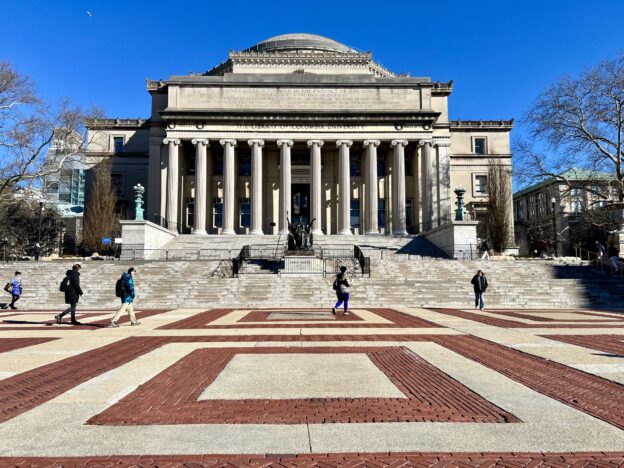
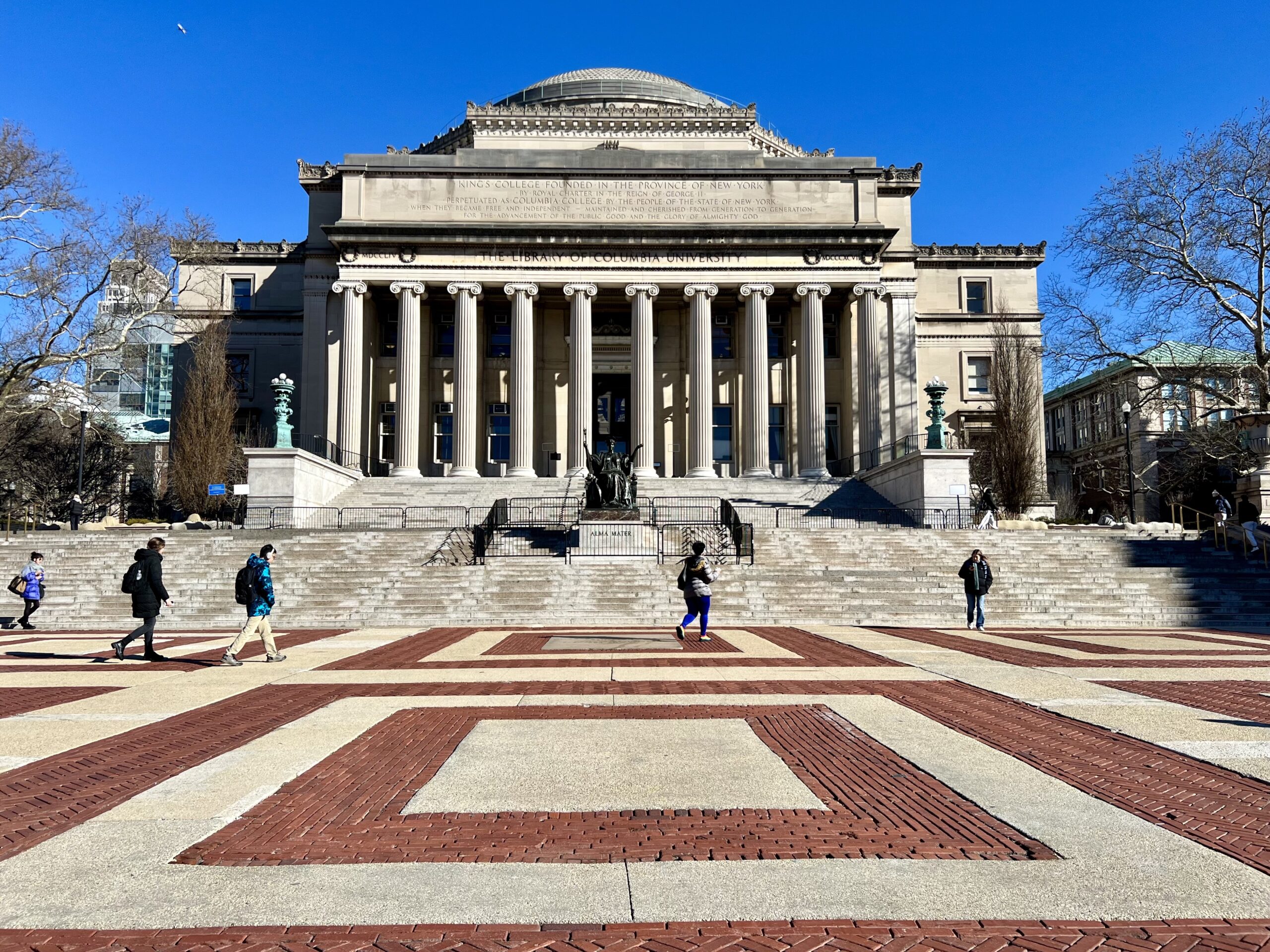
Low Memorial Library at the center of Columbia University’s Morningside Heights campus, in Upper Manhattan. In front of it, the “Alma Mater” bronze sculpture by Daniel Chester French.
Planning at home institution. The logistics of a sabbatical can vary significantly depending on your institution’s rules. My experience is that academic institutions are willing to let you take a sabbatical as long as you plan meticulously to ensure minimal disruption. This means arranging replacements for your teaching duties well in advance to avoid any negative impacts on your students’ education and your department’s curriculum. If your research involves group members, consider their ability to accompany you, which will depend on available funding. It’s also critical to prepare for all ongoing academic commitments. This might involve finding colleagues who can take over your responsibilities or setting up arrangements for remote participation in essential activities.
Establishing Connections and Securing Resources. Once obtained permission from your home institution, it’s crucial to establish connections with suitable host institutions. My experience is that it is very easy to find colleagues who are willing to host you in principle, but very difficult to find financial support for your visit, due to lack of dedicated budget lines. I was fortunate to receive a fellowship from the Italian Academy for Advanced Studies in America, which helped to cover my travel and staying expenses. If the host institution cannot provide support, look up the opportunities in your field of research, including bi-lateral agreements, national funding agencies, academic grants and fellowships (Fulbright Scholar Program, Guggenheim Foundation, etc.).
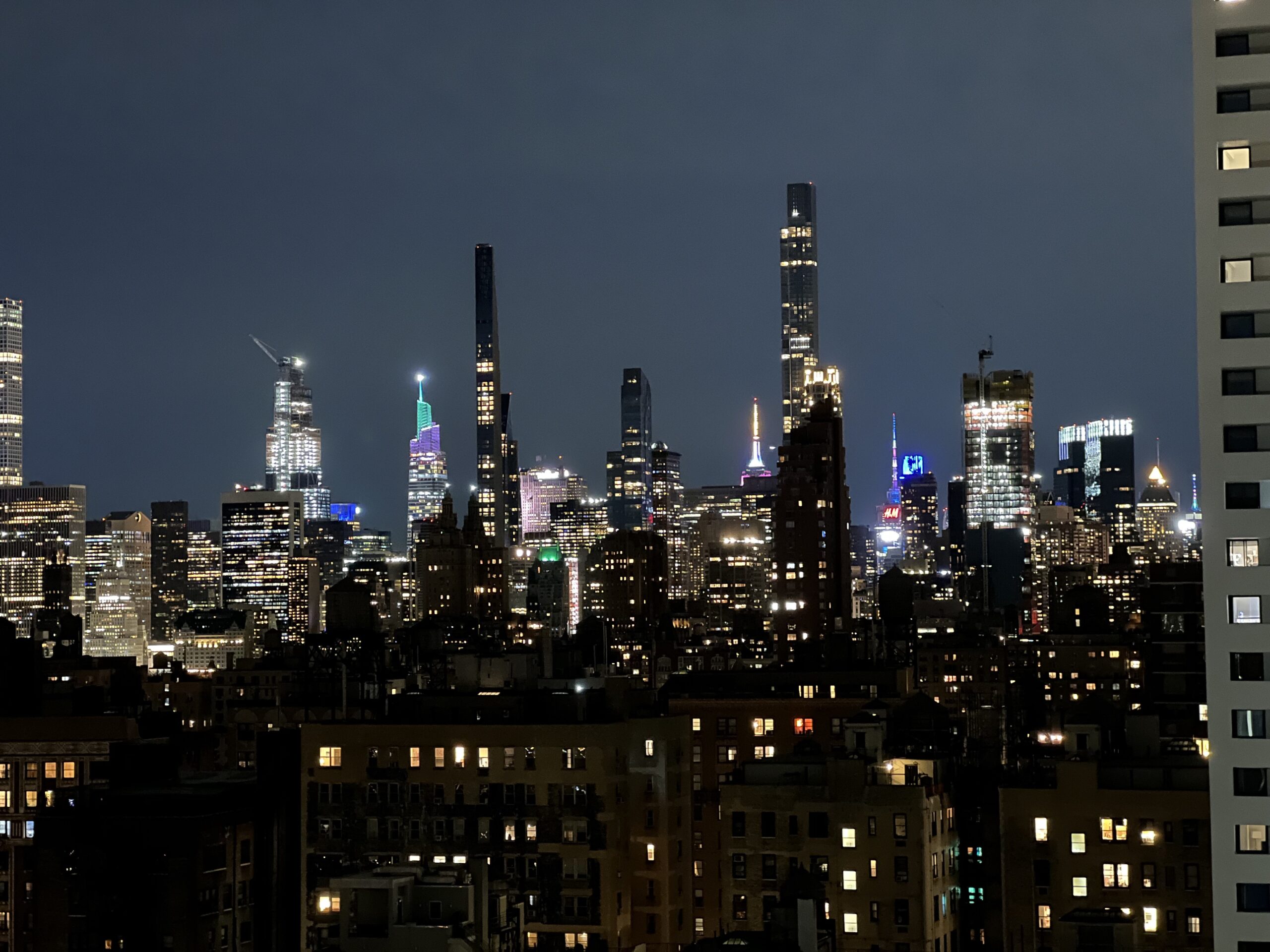
View of Midtown Manhattan from the Upper West Side, including the residential super-skinny skyscrapers on Billionaire’s Row, near the southern end of Central Park.
Visas and schools. Traveling with family adds another layer of complexity, especially concerning visas and schooling. To us, navigating the visa system felt like a step back in time, with its demand for mountains of documents (wedding certificate, birth certificates, certified translations, ..), the need to send physical passports via ordinary mail, enduring long waiting times, and facing high fees for applications. As for schools, the complexity of the organisation depends strongly on the country you visit. In the U.S., public schools are tied to your residential area, and registration typically can’t be completed until you are physically present. This was one of the most stressful aspects of the sabbatical for us, and although everything went fine in the end, I recommend taking into account this aspect carefully when considering a sabbatical.
Housing. Finding suitable housing that could accommodate a family and was within a reasonable commute to Columbia University involved navigating a competitive real estate market, which was a daunting task in itself. Most host institutions will not directly help you with finding housing, but they will provide a list of resources for you to explore, including websites like https://www.sabbaticalhomes.com/, https://www.vrbo.com/, https://www.homeexchange.com/, with the warning that they don’t take any responsibility in case of problems. Columbia U. and NYU have their own housing, but in our case it didn’t work out as the results of the application is given very close to the date of travel, and most apartments are very small for a family, and unfurnished (some colleagues ended up renting furniture – including bed and dining table and chairs, for several months).
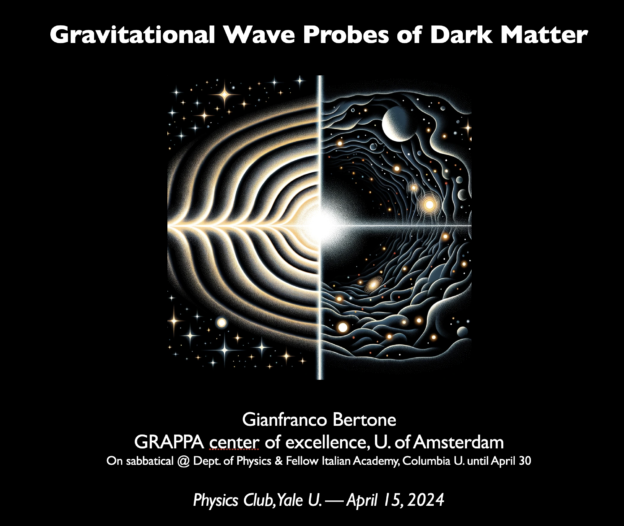
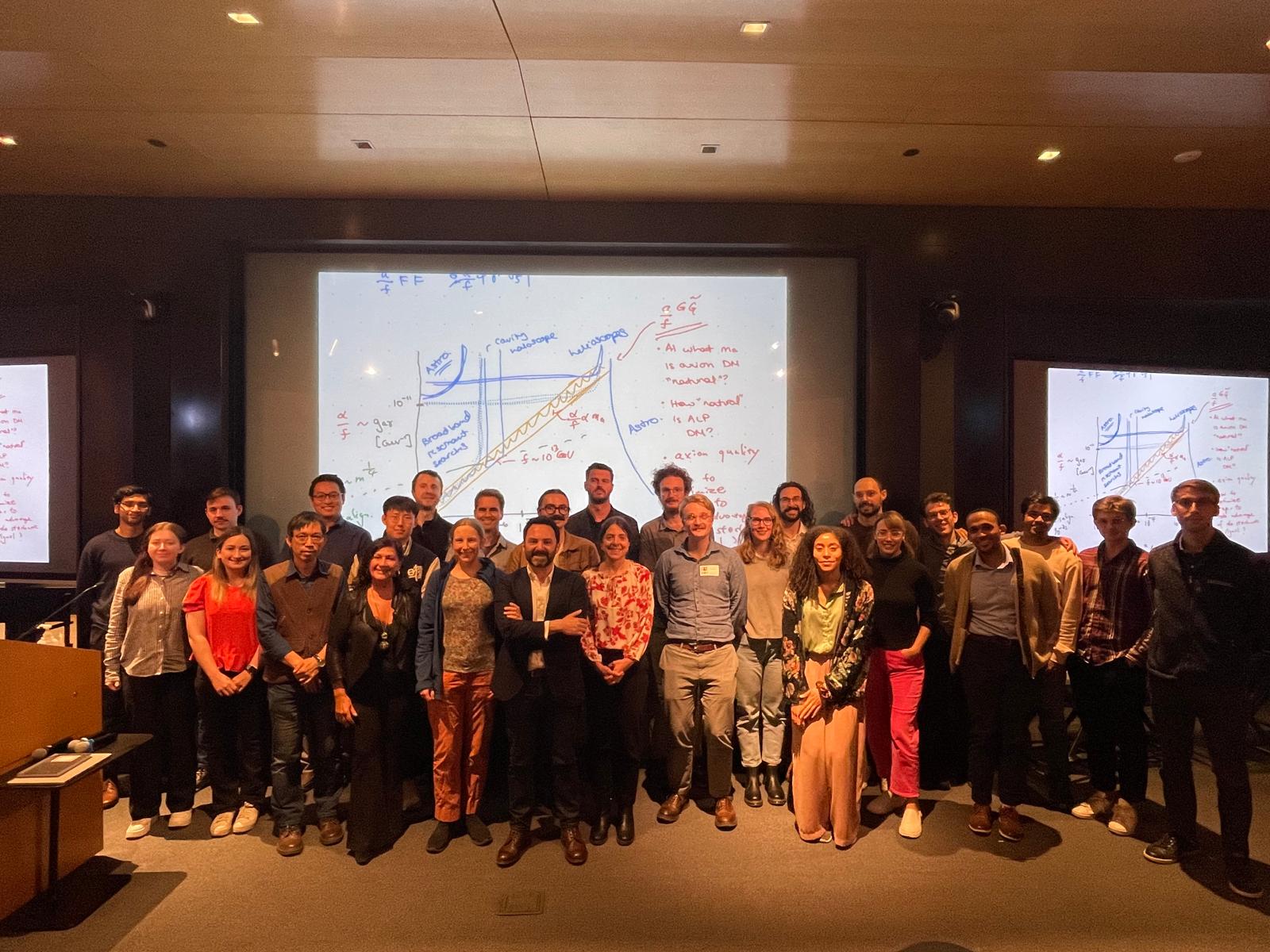
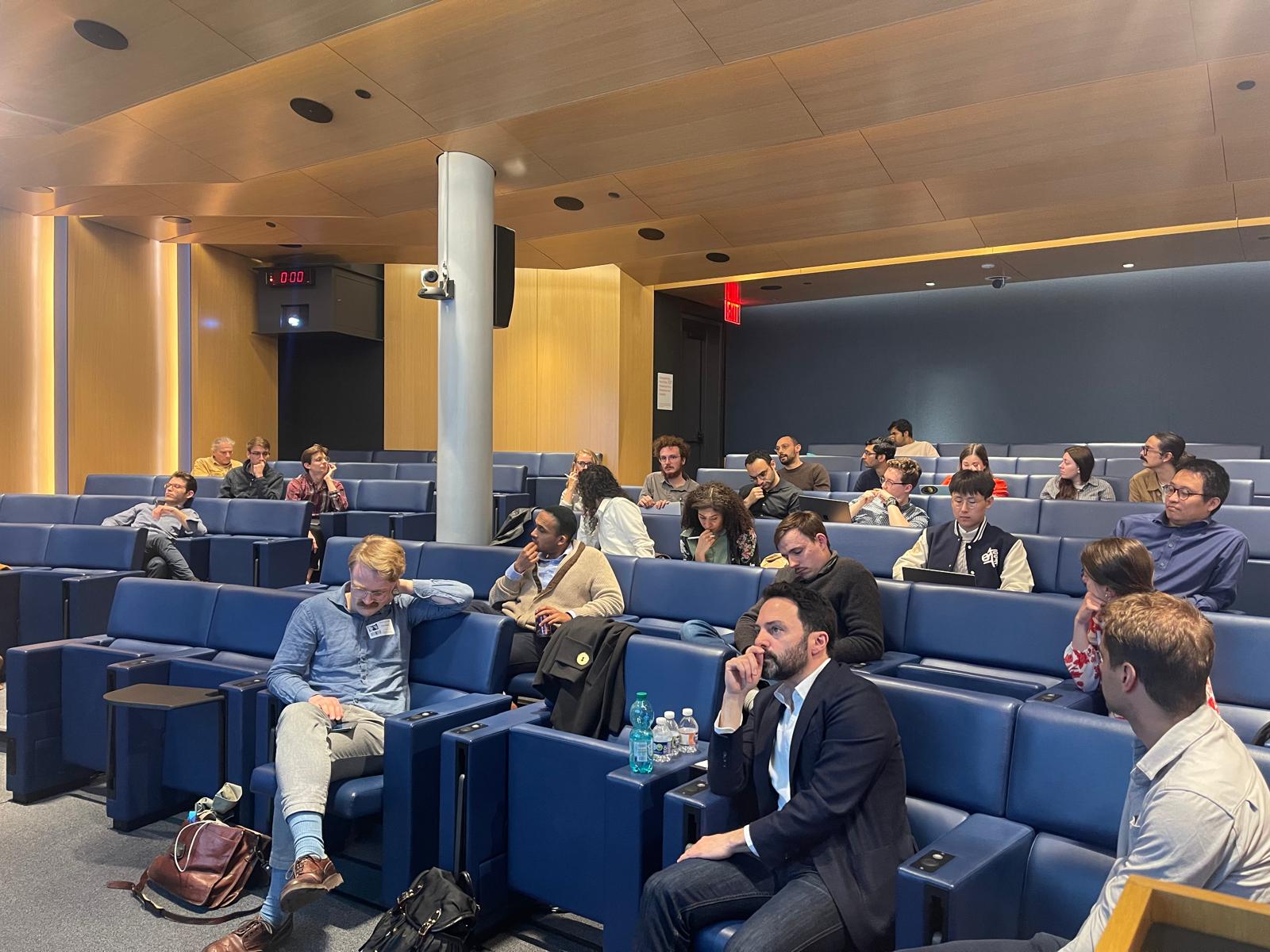
Making it worth it. Once settled, it’s crucial to immerse yourself in the academic and cultural life of your host city. I made it a point to introduce myself and my work early on, giving presentations not only at Columbia but also at other institutions like the Center of Computational Astrophysics, MIT, Harvard, Stonybrook, and Yale. Engaging with the brilliant students, outstanding colleagues, and overall vibrant community at these places was a highlight of my stay. New York City itself is a bustling hub of culture and activity. From theaters and museums to sports events and concerts, the city offers an endless array of experiences. Participating in these activities not only enriched our personal life but also provided a broader context and inspiration for my work.
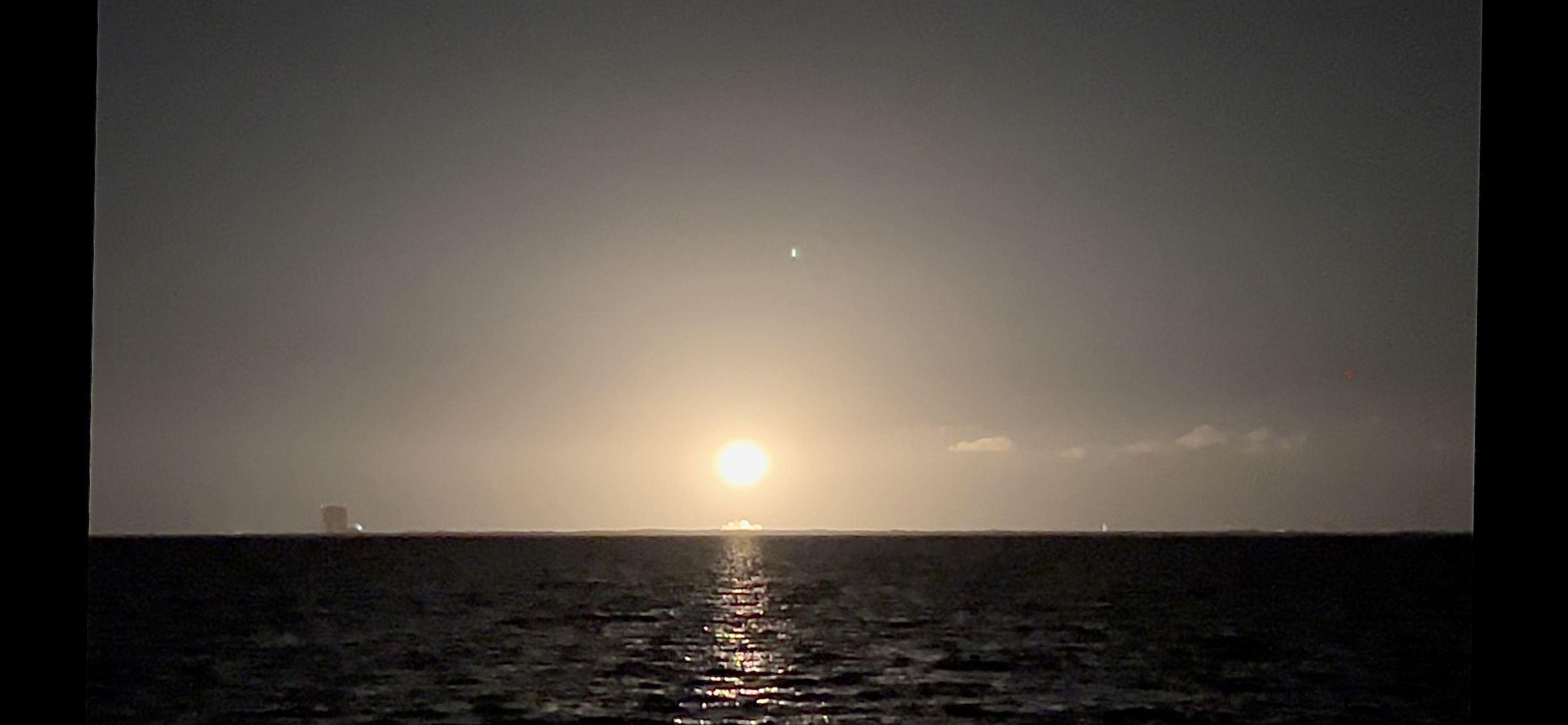
As with any trip, in order to truly make a sabbatical worth it, one also needs to be proactive in seizing unexpected opportunities that arise during the experience. We watched the launch of Space X’s Falcon 9 from Cape Canaveral (above), and watched the total solar eclipse at Niagara Falls (below).
Final Thoughts. So, is a sabbatical abroad worth it? While it demands a significant investment of time, effort, and financial resources, for me the answer is a resounding yes—if planned carefully. The exposure to new academic environments and cultures is an unparalleled source of inspiration and ideas. The key is to be well-prepared and proactive in engaging with both the academic and local communities. A sabbatical abroad is not just an academic endeavor; it’s a life experience that can broaden your horizons and influence your personal and professional life in unimaginable ways. If you have the opportunity, I highly recommend seizing it.
“Environmental” timelapse of the 2024 Total Solar Eclise at Niagara Falls.
During my three-month sabbatical in New York, hosted by the Italian Academy of Advanced Studies in America and the Center for Theoretical Physics at Columbia University, I had the privilege to visit several US institutions and to meet tens of outstanding colleagues, including many students and young researchers. It was also a great opportunity to catch up with friends and collaborators, and to present the research work that we carry out in my group in Amsterdam.
The discussions began with WIMP searches, moderated by Elena Aprile and Tracy Slatyer, exploring challenges and opportunities in dark matter direct and indirect detection. The other sessions delved into gravitational wave probes, substructure searches, as well as astro and cosmological probes, moderated by Alvise Raccanelli, Ken Van Tilburg, Yashar Hezaveh, Mariangela Lisanti, and myself. FInally, Colin Hill, Patrick Meade, Zhen Liu, Lam Hui, and Kerstin M. Perez moderated a discussion of collider searches, and axion searches.
The programme of the event can be found here: https://www.physics.columbia.edu/events/cancelledthe-future-dark-matter-topical-sessions-opportunities-and-challenges
It was an excellent opportunity to engage with colleagues across various fields, and more personally, a wonderful way to cap off my three-month sabbatical in New York City.
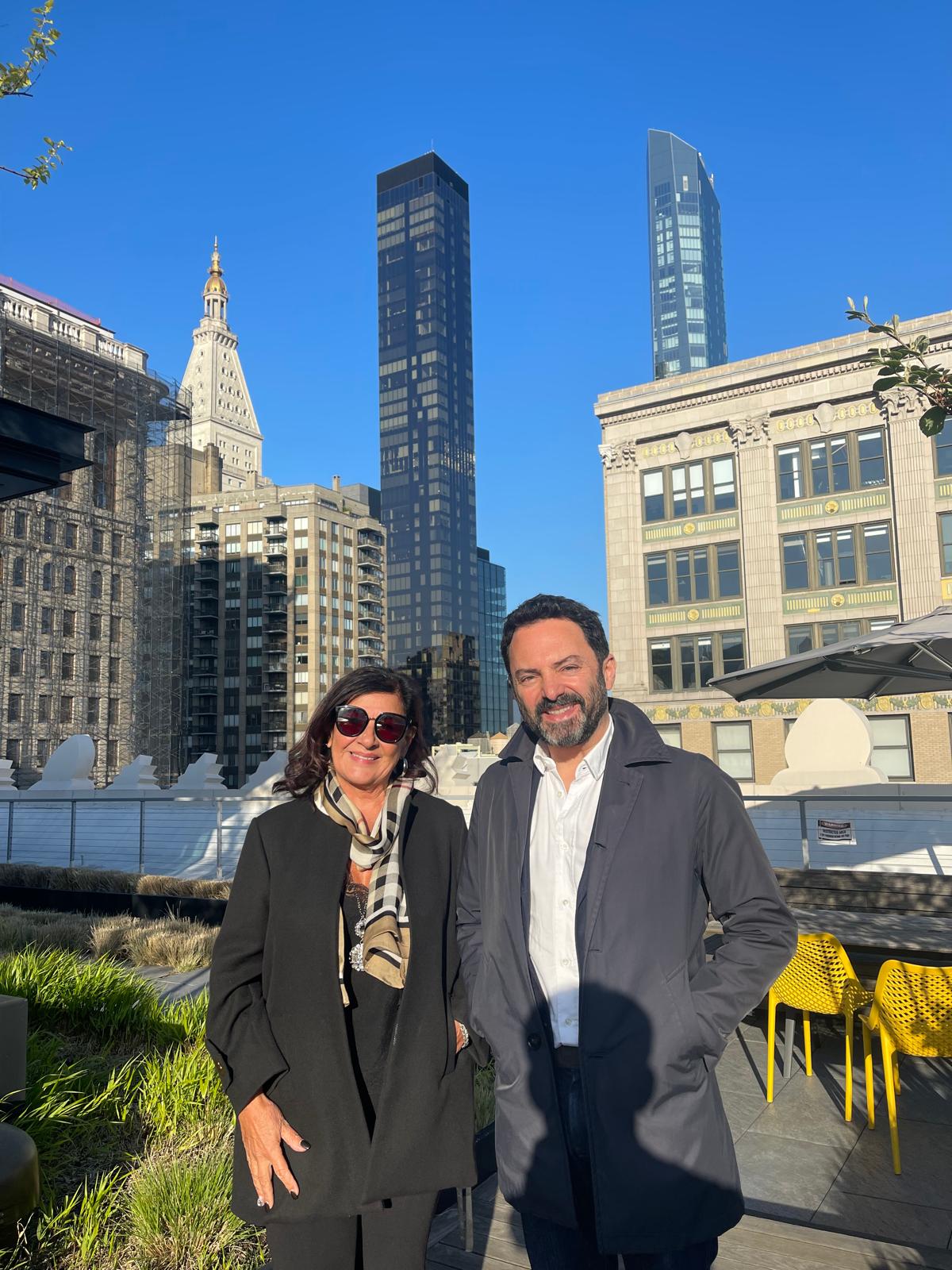
After the workshop, we informal discussions continued on the wonderful CCA rooftop. All photos courtesy of prof. Elena Aprile.
On October 27, 2023, CREA Amsterdam hosted the Dutch edition of the 2023 Cosmos Book Prize ceremony. Jim Jansen, editor-in-chief of New Scientist NL, set the stage with a warm and engaging welcome. I briefly presented the initiative’s roots, tracing back to its inception in Reggio Calabria, Italy, in 2018. Speaking about the profound impact of scientific culture, I emphasized how popular science can inspire young minds. I also stressed the importance of books and “slow science” for understanding an ever more complex world.
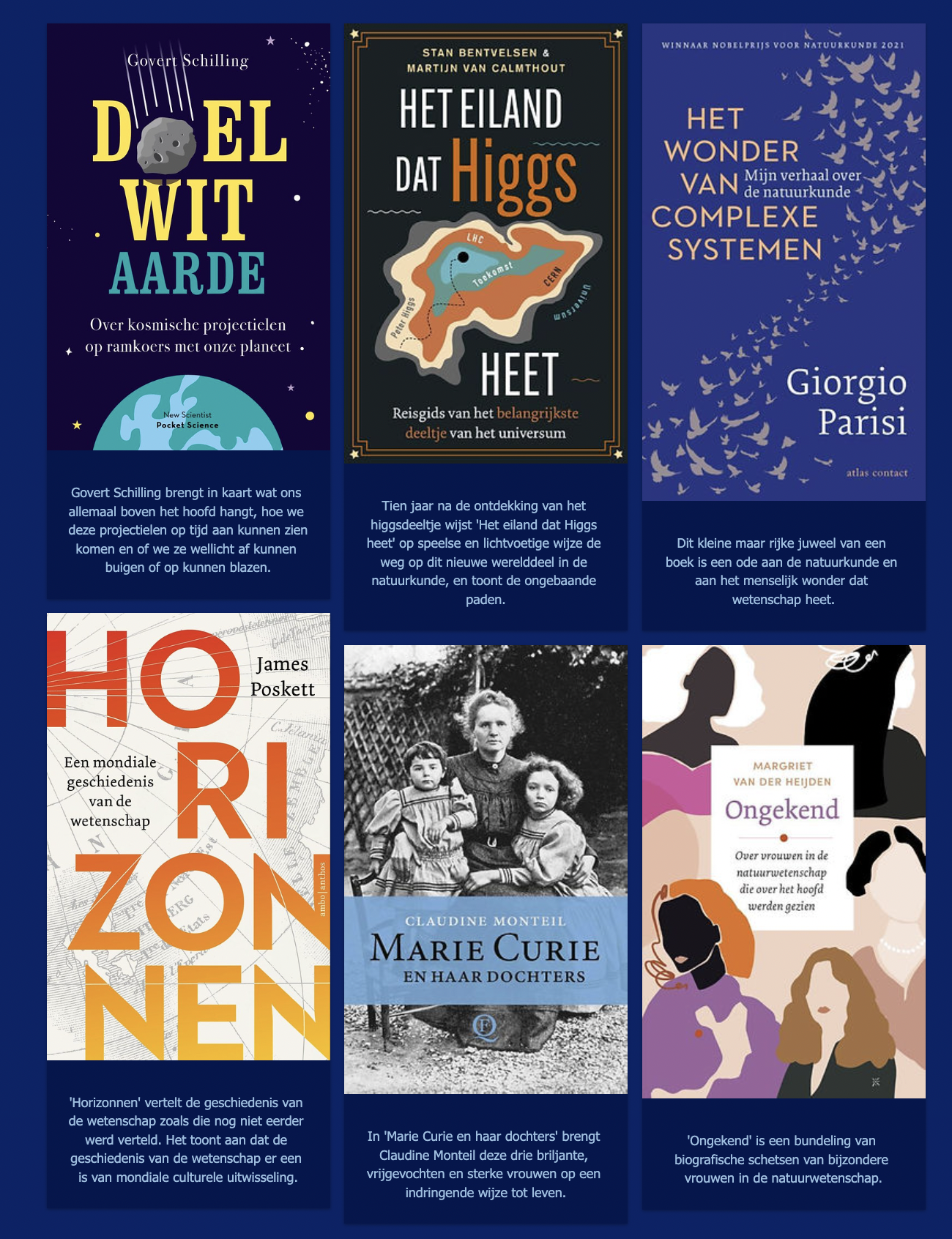
The lively performance of a high-school student band provided the perfect backdrop to the presentations from a line-up of amazing finalists, either in person via video, including Stan Bentvelsen (who also represented Martijn Van Calmthout), Claudine Monteil, 2021 Physics Nobel Prize winner Giorgio Parisi, James Poskett, Govert Schilling, and Margriet van der Heijden.
The NL Cosmos Students’ Prize 2023 went to “Het heiland dat het Higgs heet” by Stan Bentvelsen and Martijn Van Calmthout, a riveting exploration of the Higgs boson’s past and future. Margriet van der Heijden clinched the NL Cosmos Prize 2023 with ‘Ongekend’, a work that celebrates the trailblazing women in science who have left an indelible mark.
A heartfelt thank you goes out to the dedicated scientific jury, Ivo van Vulpen (chair), Rosanne Herzberger, Keri Vos, Jan Bouwe, Floris van der Tak. Thank you to all the organisers, including New Scientist Eline Kraaijenvanger, Maureen Voestermans, Jan Pieter van der Schaar, Jim Jansen. Here’s to the students from across the Netherlands who participated in the initiative, to their teachers, to the deserving winners, and to the promise of an even more spectacular 2024 NL Cosmos Prize event. Cheers!